Is a Single Bowl Sink Practical for Washing and Rinsing Without a Dishwasher?
Deciding whether a single bowl sink is practical for washing and rinsing without a dishwasher often comes down to your personal workflow and the amount of counter space you have. Many homeowners wonder if they can effectively manage daily cleanup tasks with only one basin. The reality is that while it requires a slightly different technique than using a double-bowl setup, it is entirely feasible and often preferred by those who handle large cookware.
By understanding how to organize your washing process, you can achieve a spotless kitchen without relying on automated appliances. This article examines the logistics of manual dishwashing to help you determine if this configuration suits your lifestyle.
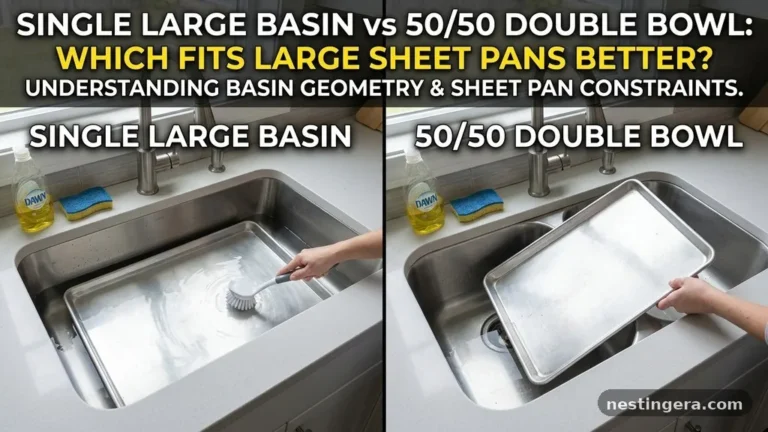
Yes, a single bowl sink is highly practical for washing and rinsing without a dishwasher, provided you use the right accessories and methods. You do not need two basins to keep your kitchen running smoothly. In fact, many professional chefs prefer a single, deep basin because it offers enough room to submerge large stockpots and baking sheets that would never fit in a standard double-bowl setup.
The primary challenge is simply managing the transition between soapy water and rinse water. Once you establish a system to handle these stages, the lack of a second bowl becomes a minor detail rather than a functional barrier.
The Mechanics of Manual Dishwashing
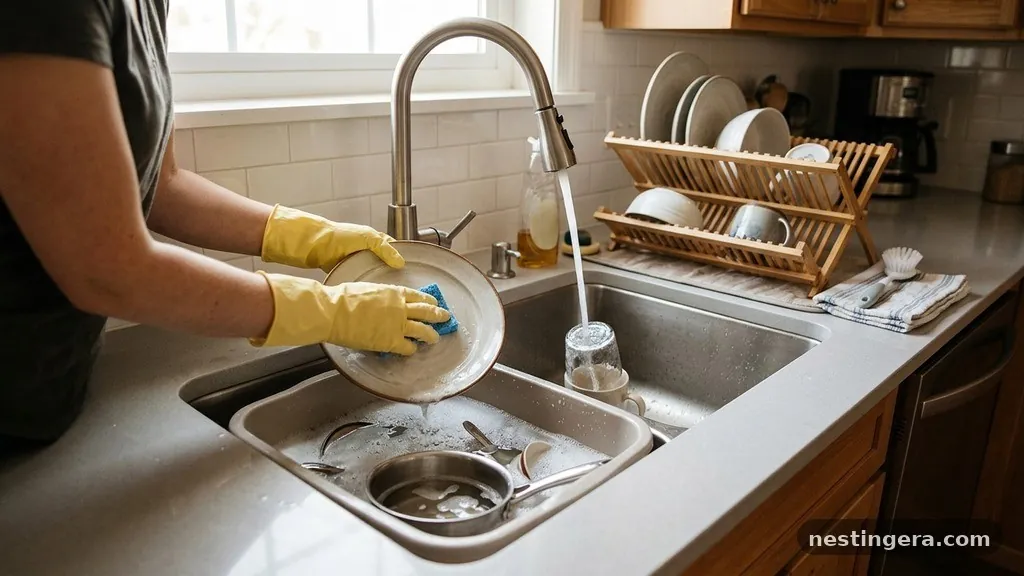
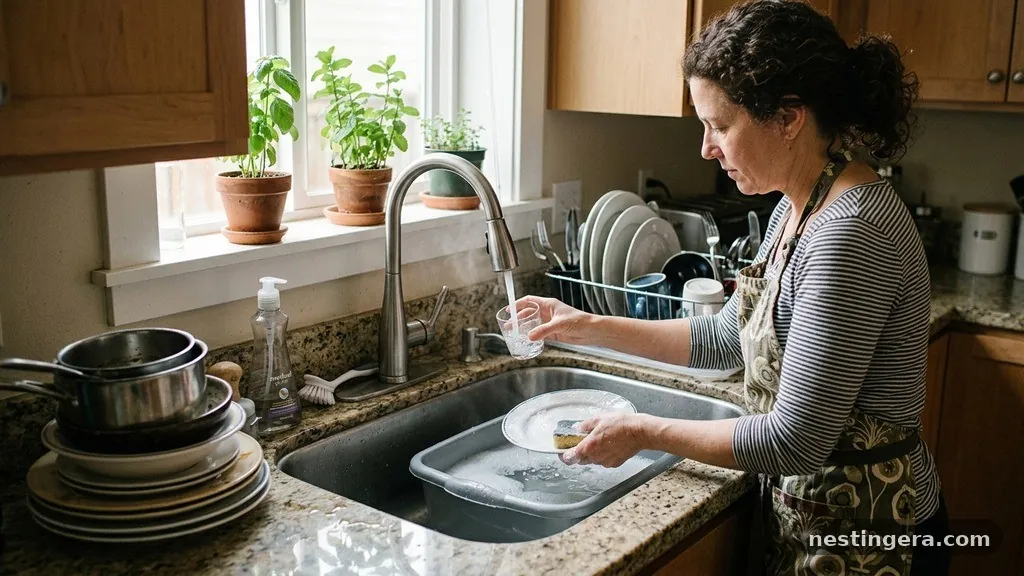
Washing dishes manually in a single basin requires a structured approach to prevent clutter and ensure hygiene. You must treat the sink as a multi-functional space rather than a static container. The most effective method involves using a plastic dishpan or a portable basin that sits inside the main sink.
You fill this pan with soapy water for scrubbing, leaving the rest of the sink open for rinsing items under a running faucet. This simple addition effectively recreates the dual-zone utility of a double-bowl sink without sacrificing the large, open space of a single basin.
Efficiency in this setup relies on the order of operations. Always start by clearing food scraps into the trash or compost to keep the sink drain clean. Soak heavy-duty items first, then wash your lightest glassware and cutlery.
Save the greasiest pots and pans for last, as they will degrade the quality of your wash water quickly. By sequencing your tasks this way, you minimize the number of times you need to refresh the water, saving both time and resources.
Advantages of Large Basin Capacity
The most significant benefit of a single bowl is the ability to accommodate oversized items. If you frequently cook for a family, you likely own large roasting pans, Dutch ovens, or deep skillets.
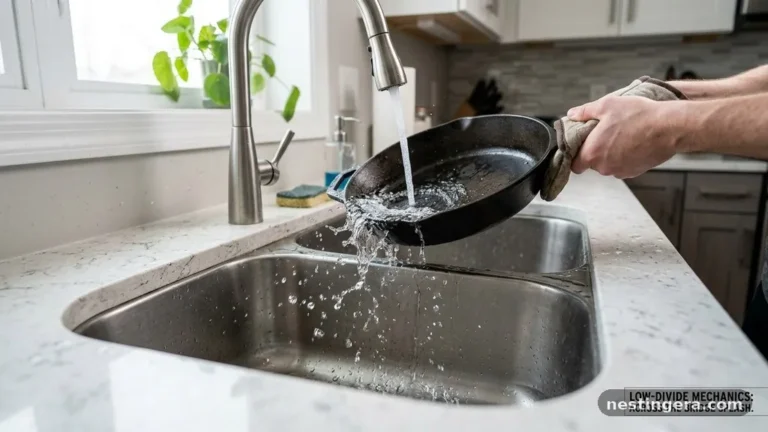
These items often struggle to fit into the divided basins of a double-bowl sink, leading to water splashing onto your countertops. A single, wide basin allows you to lay these items flat, making it easier to scrub the entire surface area without maneuvering around a center divider.
Beyond just fitting large cookware, the open layout provides a more flexible workspace for other kitchen chores. You can easily fill a large bucket for cleaning floors or wash delicate produce without feeling cramped.
This versatility is why many modern kitchen designs prioritize the single basin. It transforms the sink from a limited washing station into a multi-purpose workstation that adapts to whatever task you are performing, whether it is food prep or heavy-duty cleanup.
Managing Rinse Water and Drainage
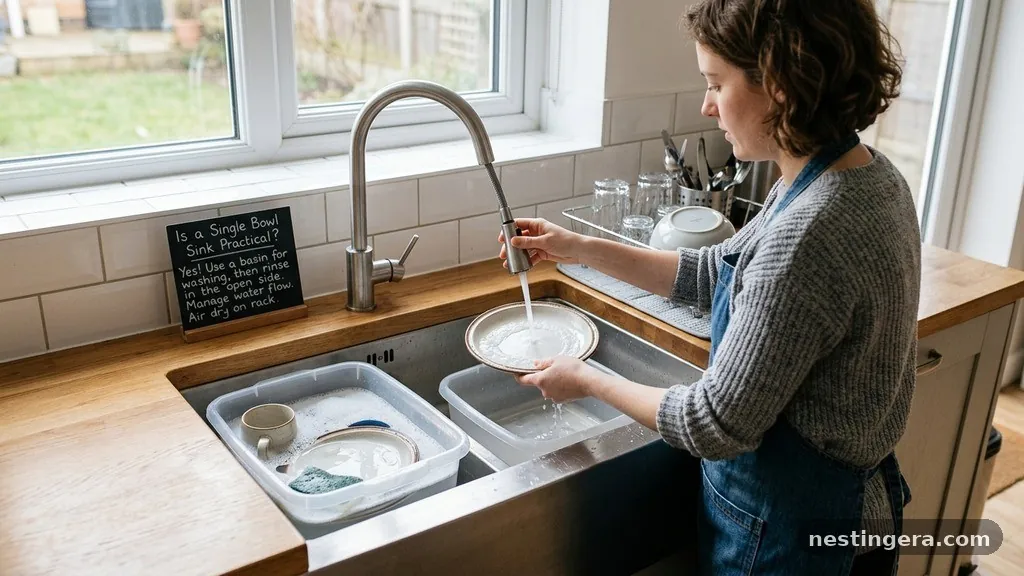
Rinsing is the stage where most people worry about the limitations of a single bowl. Without a second basin, you might feel like you are wasting water by rinsing each item individually under a running tap.
However, you can manage this by using a drying rack placed directly next to the sink. If you keep the sink clear of dirty dishes by drying them immediately, you can use the basin itself as a temporary holding area for rinsed items before they move to the rack.
If you are concerned about water usage, consider the environmental impact of your habits. According to WaterSense information provided by the Environmental Protection Agency, mindful water use is essential for conservation.
You can reduce waste by filling a secondary bowl with clean water for dipping items rather than leaving the faucet running for every single cup or plate. This technique keeps your water consumption low while ensuring that all soap residue is removed effectively.
Comparing Sink Configurations
Understanding how single and double bowl sinks differ in practice helps clarify why one might be better for your home. The choice often depends on your cabinet width and the total square footage of your kitchen.
| Feature | Single Bowl | Double Bowl |
|---|---|---|
| Large Cookware | Excellent fit | Difficult to fit |
| Prep Space | More open area | Limited by divider |
| Cleanup Flow | Requires a dishpan | Built-in separation |
| Counter Impact | Uniform look | Can feel cluttered |
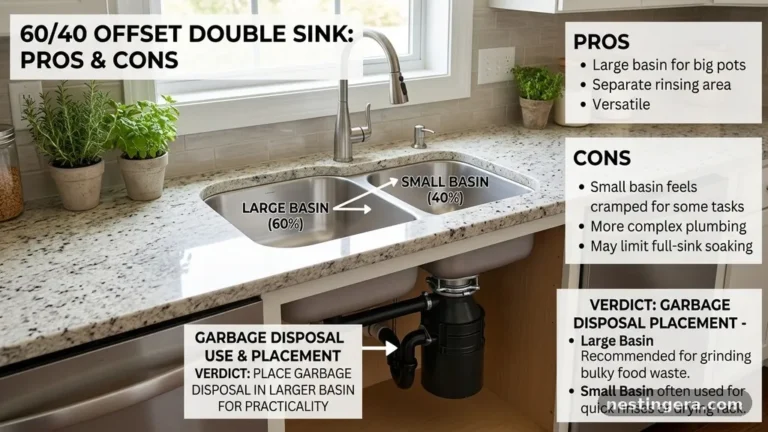
The table above illustrates that while double bowls offer built-in separation, they sacrifice the ability to wash large items easily. If you prioritize the ability to clean bulky pans, the single bowl is the clear winner.
If you prefer the psychological comfort of keeping dirty and clean dishes in separate sides, you might find the single bowl requires more discipline. Most people find that after a few weeks of practice, the single basin becomes second nature.
Essential Accessories for One-Bowl Efficiency
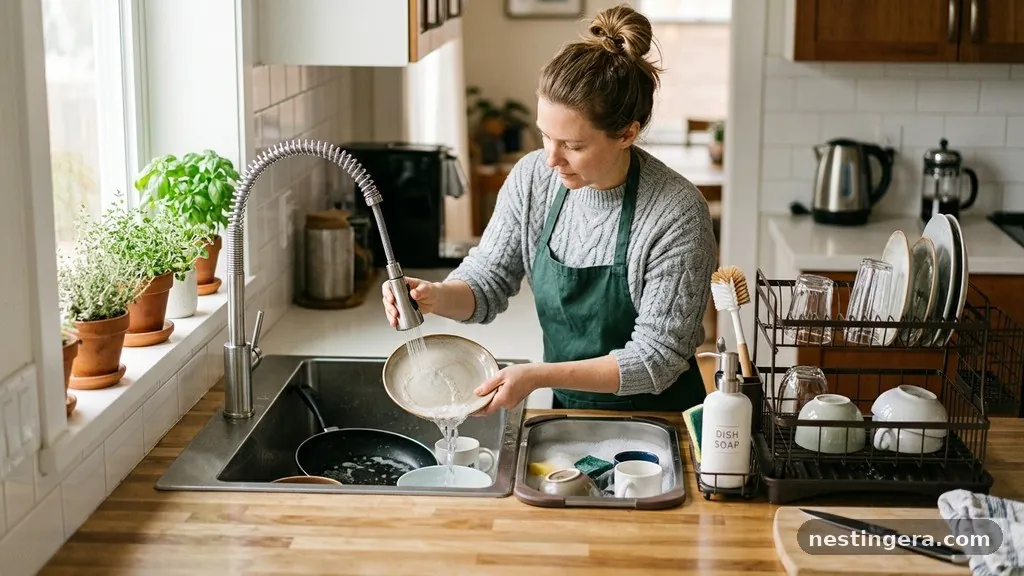
To make a single bowl sink work effectively, you need a few strategic accessories. A high-quality drying rack is non-negotiable, as it keeps your counter dry and provides a dedicated space for clean dishes.
Look for a rack that fits over or beside your sink to maximize your available workspace. Some models even feature integrated drainage trays that funnel water directly back into the sink, preventing puddles on your countertop.
A portable dishpan is the other MVP of the single-bowl kitchen. Choose a durable, BPA-free plastic basin that fits comfortably within your sink dimensions. You can store this under the sink when it is not in use, keeping your kitchen looking clean and uncluttered.
Additionally, a sink grid—a metal or silicone rack that sits at the bottom of the basin—is highly recommended. It protects the sink surface from scratches and keeps your dishes elevated, allowing water to drain freely even when the basin is full of items.
Workstation Sinks and Modern Design
If you are currently renovating or planning a new kitchen, consider the rise of the “workstation” sink. These are specialized single bowl sinks designed with integrated ledges that support accessories like cutting boards, colanders, and drying racks.
By sliding these tools across the sink, you can perform multiple tasks in one spot. You can wash vegetables, prep ingredients, and rinse dishes without needing to clear the entire basin.
This design evolution effectively solves the primary drawback of the traditional single bowl: the lack of a secondary surface. A workstation sink allows you to rinse a colander of greens while the bowl underneath remains clear for other tasks.
It is the most sophisticated way to handle a kitchen without a dishwasher. While these sinks are a larger investment than standard models, they offer a level of utility that makes manual cleanup feel significantly less burdensome.
Developing a Sustainable Cleaning Routine
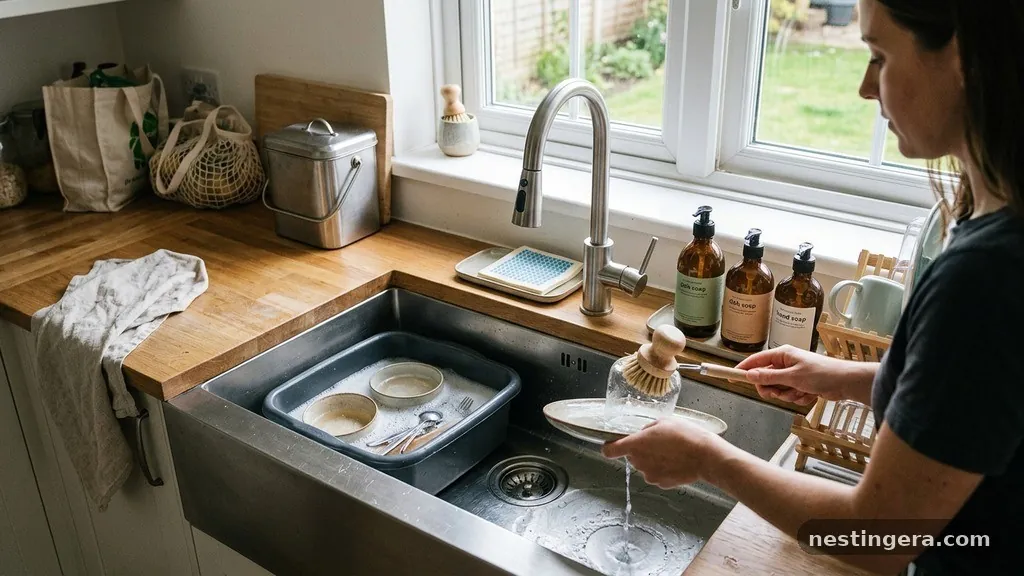
Sustainability is often cited as a reason to avoid dishwashers, but manual washing requires its own discipline to be truly eco-friendly. Avoid the habit of washing dishes one by one under a high-pressure stream of water.
Instead, gather your dishes throughout the day and perform one or two concentrated wash sessions. This saves water and reduces the total time you spend standing at the sink.
Incorporate natural, efficient cleaning agents that cut through grease quickly. Using a high-quality, concentrated dish soap means you need less product, which results in less rinsing.
Keep a small spray bottle of diluted vinegar or lemon juice nearby to help break down tough mineral deposits or stuck-on food. By optimizing your tools and your technique, you turn a chore into a quick, manageable part of your daily routine.
Handling High-Volume Cleanup
What happens when you have a large dinner party and a sink full of dishes? This is the moment most people regret not having a dishwasher, but a single bowl can handle it with the right strategy. The secret is to keep the sink clear of debris and maintain a “soak and scrub” rhythm.
Do not try to wash everything at once. Focus on one category of items—glasses first, then plates, then cutlery, and finally the heavy pots.
Establish a staging area on your counter. Use a towel or a large drying mat to hold items that have been washed but are waiting for a final rinse.
If you have a large basin, you can even keep a small bowl of hot, soapy water in one corner of the sink while using the rest of the space for rinsing. By breaking the mountain of dishes into smaller, manageable batches, you avoid feeling overwhelmed by the process.
Common Pitfalls and How to Avoid Them
One common mistake is allowing the sink to become a catch-all for clutter. If you leave dirty bowls and silverware in the sink all day, the basin becomes unusable for anything else.
Make it a rule to either wash items immediately or place them in a dedicated bin off to the side. Keeping the sink empty when not in use is the key to maintaining a functional kitchen.
Another pitfall is using too much soap. Excess soap takes longer to rinse off, which leads to higher water consumption and more time spent at the sink.
Use a light touch with your dish soap, and focus on the mechanical action of the sponge or brush to remove food particles. If you have hard water, you might find that it takes a bit more effort to rinse soap away; in this case, a quick wipe with a clean, damp cloth can finish the job faster than rinsing alone.
Frequently Asked Questions
Is it harder to keep a single bowl sink clean?
A single bowl sink is generally easier to clean because it lacks the crevices and corners found around the center divider of a double-bowl sink. You only have one surface to wipe down, and there is no divider to collect grime or food particles.
Can I effectively rinse dishes in a single basin?
Yes, you can rinse effectively by using a spray nozzle or by filling a separate container for dipping. Many people also find that simply holding dishes under a gentle stream of water is faster and more thorough once they have mastered the technique.
What size sink is best for a small kitchen?
For smaller kitchens, a single bowl sink that is at least 24 to 30 inches wide is usually sufficient. This size provides enough room to handle large items while leaving space on your counters for food prep and drying racks.
Does a single bowl sink increase my water bill?
It depends on your habits. If you leave the water running constantly, any sink will use more water. However, if you use a dishpan to wash and a separate method for rinsing, a single bowl can be more water-efficient than a double bowl because you are not filling two large basins.
Are there specific tools to help with manual washing?
Yes, investing in a high-quality dish rack, a sink grid to protect the bottom, and a plastic dishpan will significantly improve your efficiency. These tools help you organize your workflow and make the most of your available space.
Conclusion
Choosing to live without a dishwasher requires a shift in how you view your kitchen workspace. A single bowl sink is not only practical but, for many, a preferred choice that offers more flexibility and better accommodation for large cookware. By using simple tools like a dishpan and an efficient drying system, you can manage your daily cleanup with ease.
You will find that the process becomes a rhythm, turning a once-dreaded task into a straightforward part of your day. Embracing the simplicity of a single basin allows you to focus on the joy of cooking rather than the complexity of your cleanup routine. If you are considering this setup, rest assured that it is a highly effective way to maintain a clean and functional home.