60/40 Offset Double Sink: Pros and Cons for Garbage Disposal Use
Choosing a 60/40 offset double sink is a common dilemma when renovating a kitchen, especially when integrating a garbage disposal. This configuration splits your workspace into a larger basin and a smaller secondary one, offering a unique balance between washing large items and performing quick prep tasks. Understanding how this layout affects your plumbing and daily cleaning habits will help you decide if it fits your household.
By looking at the specific trade-offs regarding drain placement and waste management, you can avoid common installation headaches and ensure your kitchen remains functional for years to come.
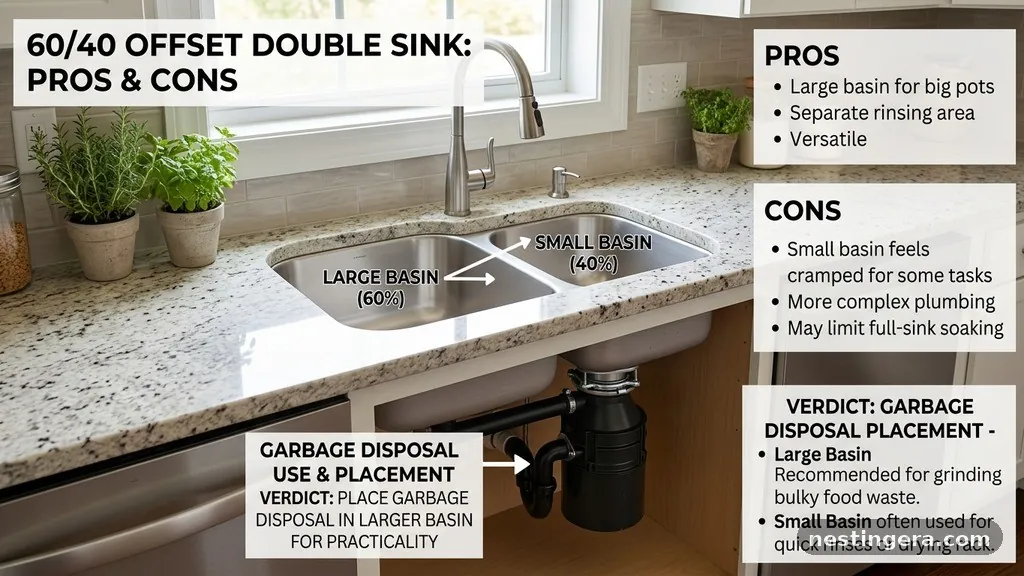
The Verdict on Garbage Disposal Placement
This allows you to process larger food scraps without crowding the drain, while the smaller basin remains clear for soaking or rinsing smaller items. You must verify that your under-sink plumbing has sufficient clearance for the unit, as the offset drain location can sometimes complicate the piping configuration compared to a standard center-drain single bowl.
Analyzing the 60/40 Layout Advantages
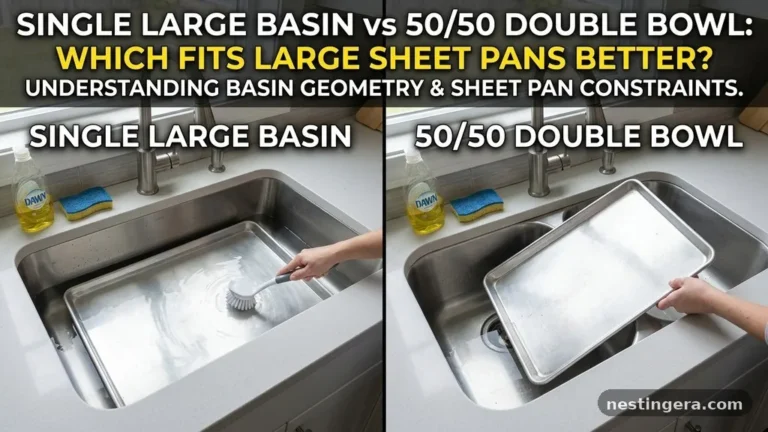
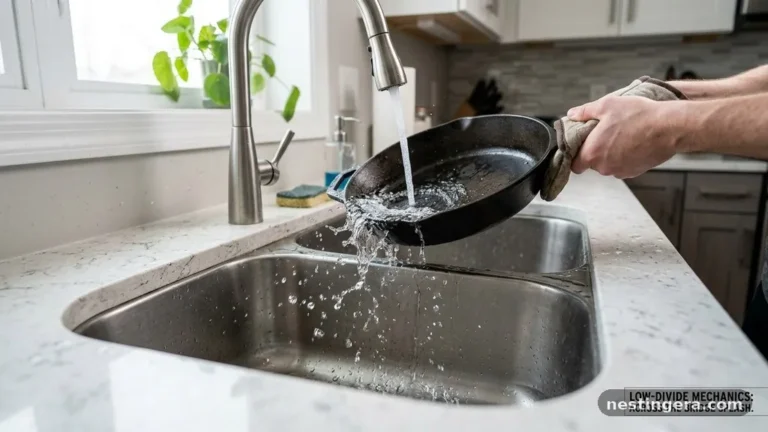
The core appeal of this design lies in its versatility. Having one basin significantly larger than the other allows you to wash oversized pots and baking sheets that would never fit in an equal 50/50 double-bowl sink.
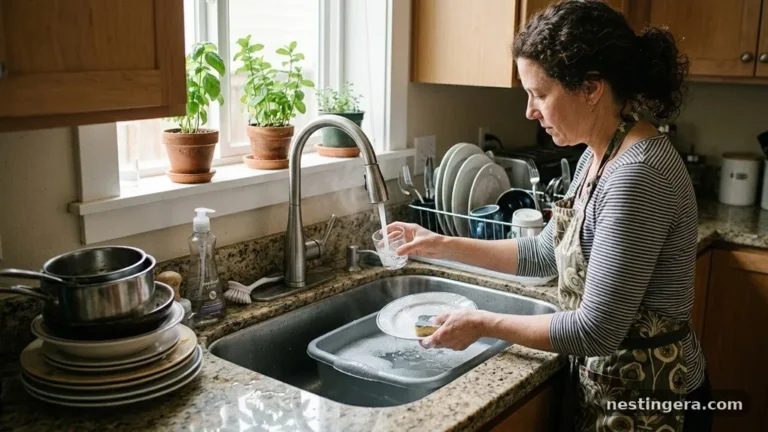
Meanwhile, the smaller secondary basin acts as a dedicated space for rinsing vegetables or holding soapy water for quick tasks. This separation keeps the main work area organized, preventing dirty dishes from piling up in the same spot where you need to clean food scraps. For many users, this hybrid approach offers the best of both worlds, bridging the gap between single-bowl efficiency and the compartmentalization of a traditional double-bowl sink.
Challenges with Plumbing and Drain Access
Because the drain is shifted to one side, the P-trap and waste pipes may need to be adjusted to align properly with the wall outlet. If your plumbing and drainage systems are already tight, you might find that the disposal unit takes up valuable space inside the cabinet. You should measure the distance from the sink bottom to the drain pipe carefully before purchasing your unit.
A common mistake is failing to account for the thickness of the sink material, especially with undermount models, which can further impact the available clearance for the disposal mounting bracket.
Comparing Sink Configurations for Waste Management
When deciding between different sink styles, the relationship between the bowl size and the disposal placement is critical. A single-bowl sink provides the most room for large items but lacks a secondary basin for overflow tasks.
Conversely, a 50/50 sink offers symmetry but often makes it difficult to fit a large roasting pan into either side. The 60/40 split hits a middle ground, but it forces you to commit your disposal to one specific side.
| Sink Type | Disposal Compatibility | Main Benefit |
|---|---|---|
| Single Bowl | Excellent | Maximum space for large cookware |
| 50/50 Double | Moderate | Balanced dual-tasking |
| 60/40 Offset | High (in large basin) | Versatile workspace |
| Farmhouse | High | Aesthetic appeal and depth |
Managing Food Waste in Smaller Basins
One often overlooked aspect of the 60/40 design is the potential for the smaller basin to become a “catch-all” for debris. If you aren’t careful, food scraps can easily wash into the smaller side, which usually lacks a disposal unit. This creates a maintenance burden, as you’ll need to manually clear these items to prevent odors or clogs. Many homeowners solve this by installing a high-quality basket strainer in the smaller sink. This keeps the secondary basin clean and makes it much easier to dump trapped waste into the primary basin where the garbage disposal resides.
Impact on Counter Space and Cabinet Storage
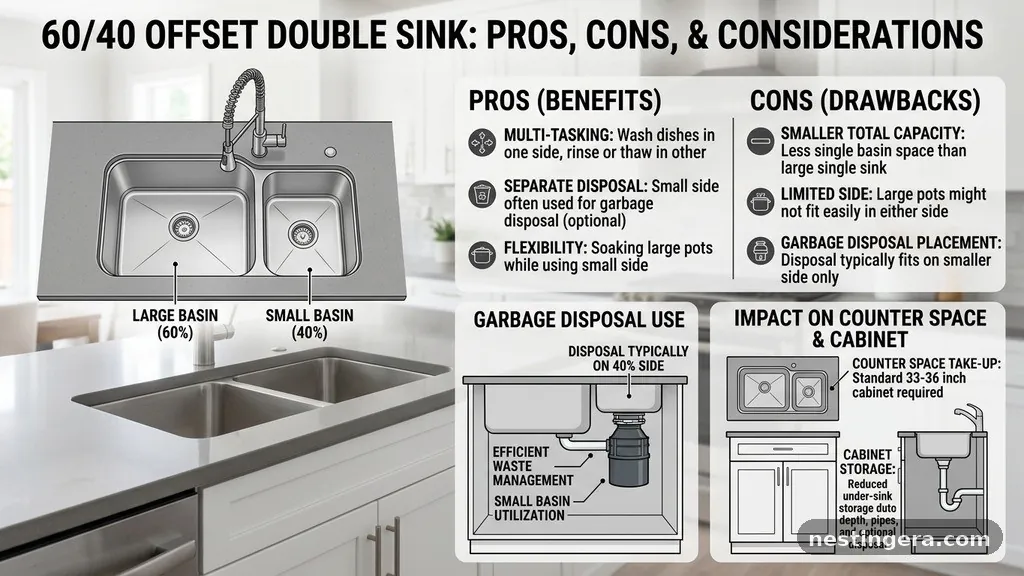
Your choice of sink configuration directly dictates what you can store underneath. A 60/40 sink often leaves more room in the cabinet than a wide, single-bowl unit, but the offset drain can interfere with drawer banks or plumbing stacks. If you have a pull-out trash bin or a reverse osmosis system under the sink, the offset placement of the disposal can be a major factor. Always map out your under-sink storage before finalizing the sink selection. You might find that moving the disposal slightly off-center helps you regain space for cleaning supplies or other essential kitchen tools.
Daily Cleaning and Maintenance Considerations
Keeping a 60/40 sink looking pristine requires slightly different habits than maintaining a uniform basin. Because the larger side sees most of the action, it is prone to more scratching and staining from heavy pots. You should regularly use a soft abrasive cleaner to prevent buildup around the disposal flange, which is a common site for bacteria growth. The smaller basin is easier to keep clean, but it can accumulate water spots if it isn’t dried regularly. Consistency is key here; wiping down both basins after each use prevents the kind of grime buildup that requires deep scrubbing later on.
Aesthetic and Ergonomic Factors
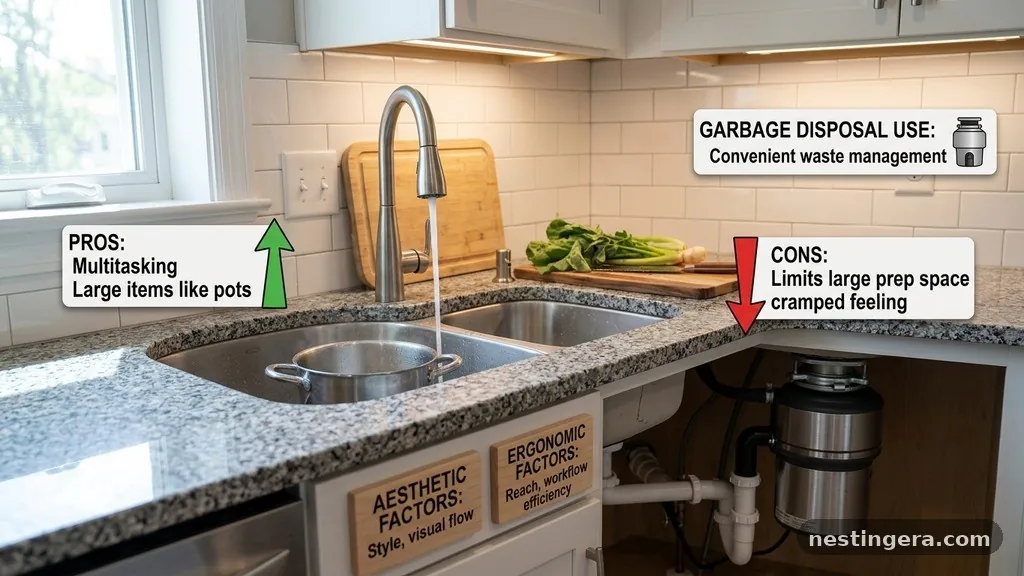
From a design perspective, the 60/40 split is often seen as a more modern, intentional look than the dated 50/50 style. It provides a visual break in the kitchen counter, which can be quite striking if you choose an undermount installation. Ergonomically, the offset design allows you to stand closer to the sink without bumping your knees against the center divider. This minor adjustment can make a significant difference during long meal prep sessions. If you spend a lot of time at the sink, the comfort of an offset bowl is a benefit that shouldn’t be underestimated.
Essential Accessories for Your Setup
To get the most out of your 60/40 sink, consider investing in custom-fit accessories. Many manufacturers sell drying racks or cutting boards that sit perfectly across the smaller basin. These items effectively turn your sink into an extension of your counter space, which is invaluable in smaller kitchens. A sink grid for the larger basin is also highly recommended. It protects the bottom of the sink from scratches caused by heavy pots and allows water to flow freely toward the disposal, preventing food from getting trapped under your dinnerware.
Common Installation Mistakes to Avoid
One of the most frequent errors is failing to check the compatibility of the disposal flange with the sink’s drain opening. Some thicker composite or fireclay sinks require extended-length flanges, which are not always included in standard disposal kits. Furthermore, ensure your plumber uses a proper high-loop or air gap for the dishwasher drain hose, especially in a double-sink setup. If the dishwasher drains directly into the disposal, a poorly configured loop can cause dirty water to back up into the secondary basin. Taking the time to verify these connections during the rough-in phase saves significant time and frustration.
Frequently Asked Questions
Does the garbage disposal always go on the larger side of a 60/40 sink?
It is not mandatory, but it is highly recommended. The larger basin is designed to handle bigger volumes of food waste, and the drain opening is almost always positioned to facilitate this. Placing the disposal in the smaller side can lead to frequent clogs and makes it difficult to wash large items in the main basin.
Can you install a garbage disposal on both sides of a double sink?
While possible, it is rarely practical or cost-effective. It would require two separate disposal units, two power sources, and a significantly more complex plumbing setup. Most households find that a single, high-quality disposal in the larger basin is more than sufficient for all their needs.
Is a 60/40 sink harder to clean than a single-bowl sink?
It depends on your cleaning habits. A single-bowl sink is easier to wipe down because there are no corners or dividers to navigate. However, a 60/40 sink allows you to keep dirty dishes in one side while keeping the other side clean for prep, which can actually make the overall kitchen experience feel more organized.
Will the offset drain cause more plumbing clogs?
The offset drain itself does not cause clogs, but the additional piping required to reach the waste line can create more horizontal runs. If these pipes are not pitched correctly, debris may settle in the horizontal sections over time. Proper installation and adequate slope in the pipes are essential to preventing these issues.
Are there specific faucets that work best with 60/40 sinks?
High-arc pull-down faucets are generally the best choice for this configuration. They provide the reach necessary to spray out both basins effectively. Since the 60/40 sink requires you to navigate two different zones, a flexible faucet head allows you to direct water exactly where it is needed without splashing.
A 60/40 offset double sink provides a versatile and highly functional solution for modern kitchens, provided you plan your plumbing and disposal placement with care. By dedicating the larger basin to your garbage disposal and utilizing the smaller side for prep and rinsing, you create a workflow that is both efficient and manageable. While the offset layout requires more attention during the initial installation of the waste lines, the long-term benefits of having a flexible workspace often outweigh the extra effort.
Whether you are upgrading your current kitchen or planning a new one, choosing the right sink configuration is a foundational step. By focusing on your specific needs for space and waste management, you can ensure your 60/40 offset double sink remains a reliable asset in your home for many years.